.jpg?width=150&height=23&name=accountants%20in%20surrey%20logo%20(1).jpg)
%20(1).jpg?width=50&height=50&name=accountants%20in%20surrey%20logo%20(2)%20(1).jpg)
Fuel cards and company cars: what employers need to know
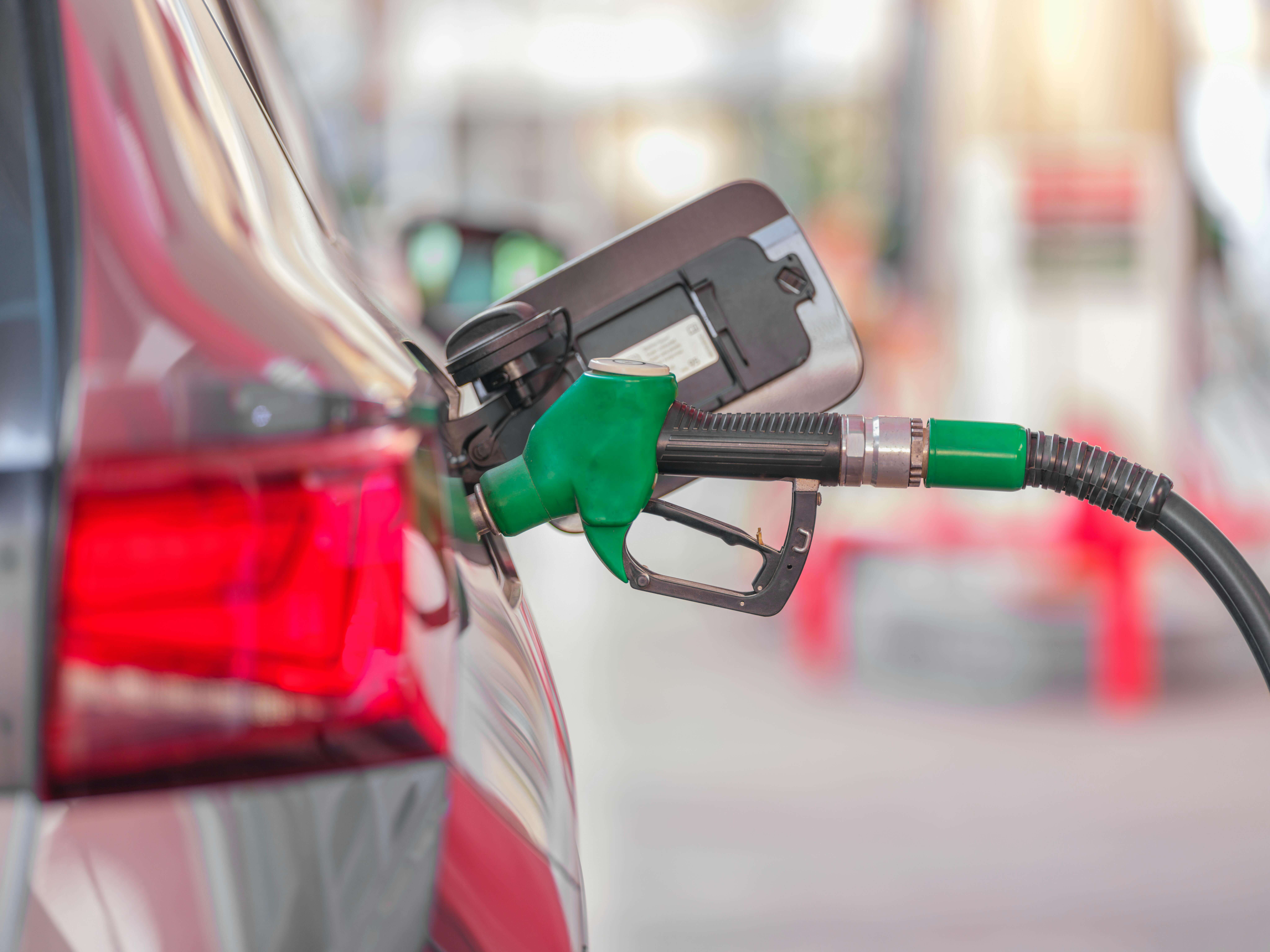
Fuel cards help you control company car costs and cut admin. Get the tax and reporting right, or risk fuel benefit charges.
Fuel cards can make company car costs easier to manage. They give employers better control over fuel spend, reduce paperwork and support cleaner record keeping.
They can also create tax and reporting issues if private fuel is not handled properly. HMRC treats company cars and fuel as employee benefits in many cases, so businesses need clear policies and accurate records.
What is a fuel card?
A fuel card is a payment card used to buy fuel for a business vehicle. It works in a similar way to a bank card, though it usually sits within a network of approved filling stations and gives the employer a consolidated invoice for fuel bought by its drivers. Many providers also include controls such as PIN protection, driver-level limits and restrictions on what can be bought.
How fuel cards work with company cars
In practice, an employee uses the fuel card to fill up a company car at an approved site. The provider then bills the employer, often through one combined invoice rather than a stack of receipts. That can make administration easier and can support VAT recovery where the business meets the relevant conditions.
Fuel cards often work well for businesses with several drivers, though a smaller business can also benefit. Better visibility over fuel spend can help spot unusual patterns, tighten controls and reduce time spent processing expenses.
Company cars and fuel benefit rules
A company car can create a taxable benefit if it is available for private use. Fuel can create a separate fuel benefit on top of the car benefit. HMRC states that if private fuel is provided and the employee does not fully repay the cost during the tax year, the employer must report the fuel benefit and pay Class 1A National Insurance on it.
This point catches many employers out. Even limited private use can trigger the fuel benefit charge if the employee does not make good the full cost of that private fuel. HMRC’s guidance makes clear that the employer does not avoid the charge by asking for part-payment. Full reimbursement within the tax year matters.
Why fuel cards can still work well
Used properly, fuel cards can bring real advantages. They cut down employee expense claims, improve oversight of fuel purchases and support one central process for billing. They can also help staff avoid using personal money for business travel. For employers, that usually means fewer admin delays and stronger control over vehicle costs.
Fuel cards can also support repayment arrangements for private mileage. HMRC publishes advisory fuel rates that employers can use when employees repay the cost of private fuel in a company car. These rates only apply to company cars and can give businesses a practical method for working out repayments.
VAT and fuel cards
VAT treatment needs care. If fuel is bought only for business use, the business can reclaim VAT subject to the usual rules. If the car is used for both business and private travel, the business generally has two routes: reclaim all VAT and apply the fuel scale charge, or reclaim VAT only on business fuel and keep detailed mileage records.
The fuel scale charge gives a simpler route for many businesses because it removes the need for detailed mileage logs for private use. That said, it is not always the lowest-cost option. A business should review the numbers before deciding which approach fits best.
Reporting to HMRC
Where a fuel benefit applies, employers usually report it on form P11D unless they payroll benefits. They also need to submit form P11D(b) and pay Class 1A National Insurance on the taxable amount. For 2025 to 2026, the Class 1A rate on benefits is 15%, and the usual filing deadline for P11D and P11D(b) is 6 July after the end of the tax year.
Good record keeping matters. Employers should track business and private mileage, keep invoices, document any employee repayments and review car and fuel arrangements before the tax year closes. That helps reduce the risk of incorrect reporting or avoidable tax charges.
Can self-employed workers use fuel cards?
Many self-employed workers and owner-managed businesses can use fuel cards if a provider accepts their business. The commercial benefit often mirrors that of a larger employer: cleaner records, easier tracking and a single billing process. The tax treatment still depends on business and private use, so sole traders and partners need to keep clear records before claiming VAT or tax relief on motoring costs.
Getting the setup right
Fuel cards can be a practical tool for managing company car costs, though the tax position needs careful handling. The main risk area is private fuel. If private mileage is allowed and the employee does not repay the full cost in time, a fuel benefit charge can follow. A clear fuel policy, prompt employee reimbursements and regular reviews of VAT treatment can keep the arrangement efficient and compliant.
Need advice on company car and fuel card reporting?
David Howard supports businesses with payroll, benefits, VAT and reporting requirements. Our team gives clear advice so employers can manage company cars and fuel arrangements with confidence.
Image credit: Engin Akyurt on Pexels

How we can help with taxes
Tax advice and services tailored to your business, goals and circumstances
Recent Posts

Late-payment rules and cashflow protection for SMEs

Capital Gains Tax: When It Applies and How to Prepare